
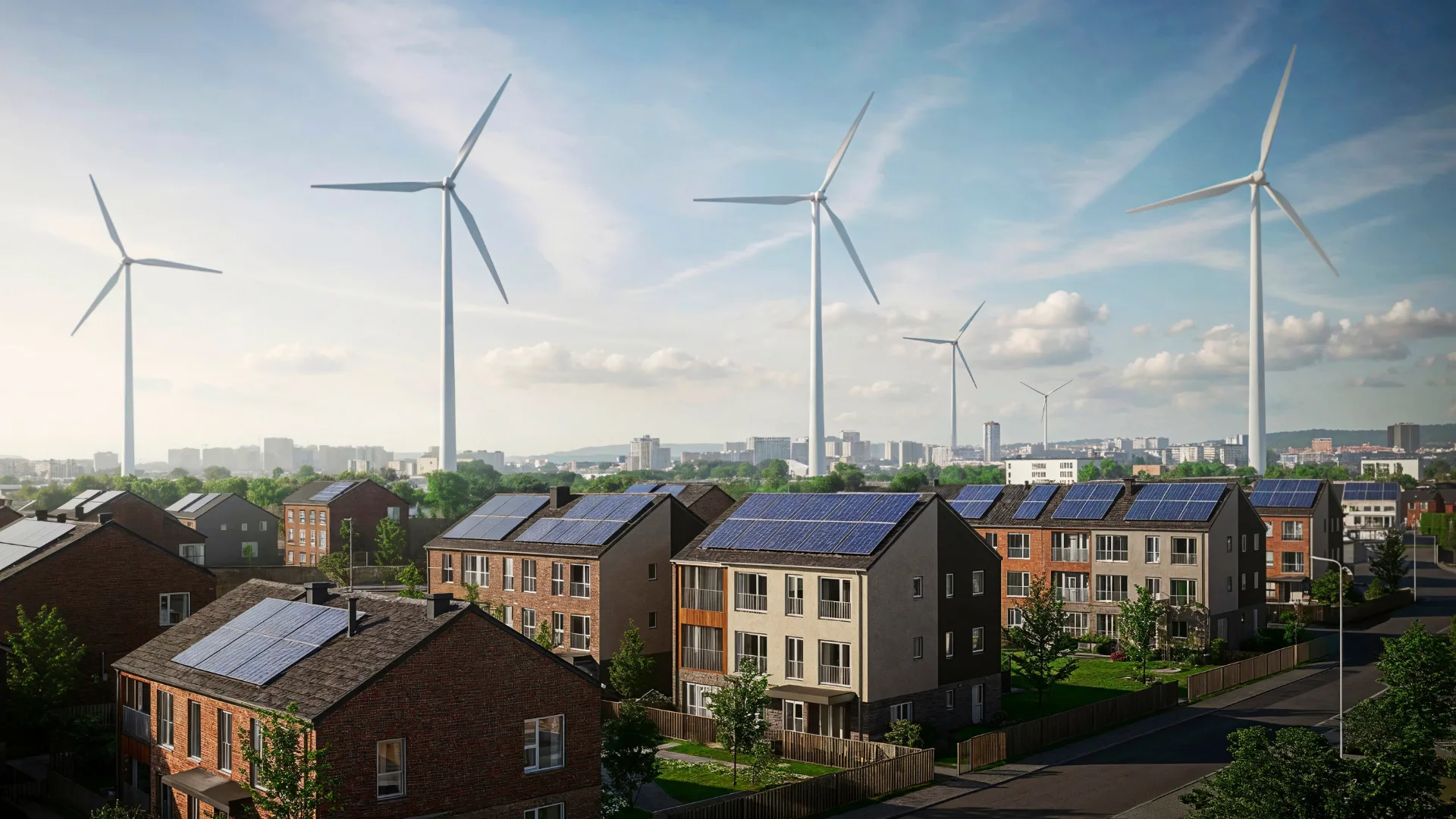
Investing in Africa today often comes down to one big question: put your money into real estate or into renewable energy? Real estate gives you something solid you can touch. Renewable energy gives you growth tied to the continent’s massive power needs. Both sectors can deliver strong returns, but they behave very differently depending on the country, timeline, and risk appetite.
Africa is no longer just about untapped potential, it’s about fast-moving markets. Urban growth, rising middle classes, energy shortages, climate pressure, all making investors wonder: real estate or renewable energy, which sector delivers better returns? Both look promising. Both have pitfalls. But depending on your timeline, risk tolerance, and impact goals, the better bet shifts. What this blog does is compare how real estate and renewable energy have been performing recently in Africa (2023-2025), where the opportunities lie, what the risks are, and which sector seems to offer stronger, more stable returns now and for the decade ahead.
Real estate has long held appeal across investment opportunities in Africa. Cities are swelling: people moving in for work, education, improved services. Demand for housing; commercial offices; retail; industrial/logistics space is real. The Africa Report 2024-25 by Knight Frank shows prime yields in several asset classes: industrial real estate yields are reaching ~13%, retail ~9.5%, offices ~8%, residential ~8%.
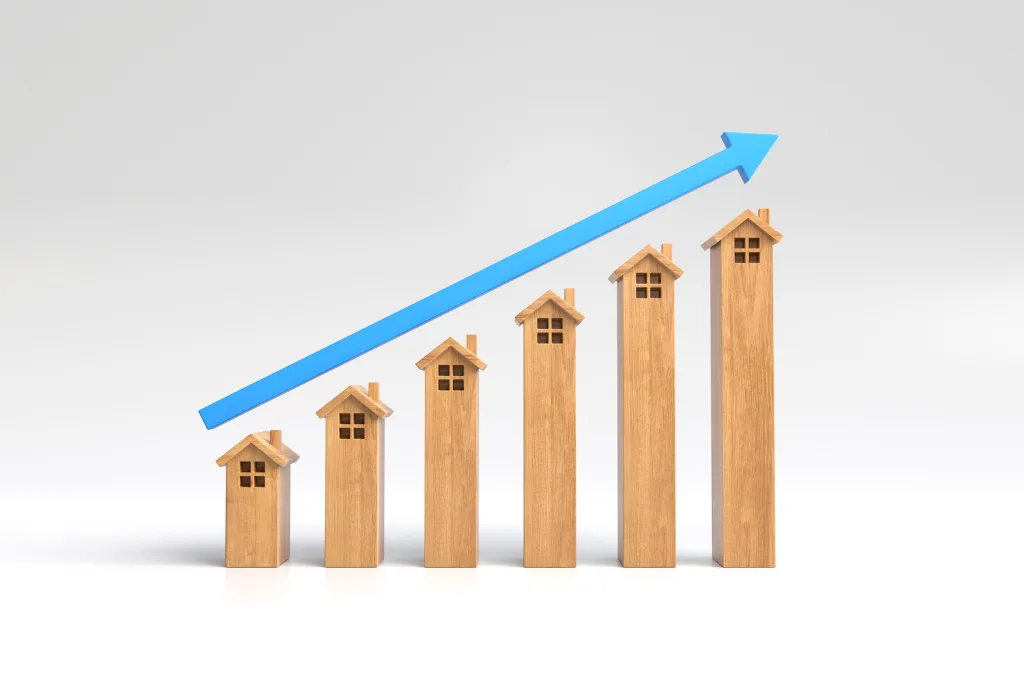
Some hotspots are especially strong. South Africa, for example, saw investment property delivering total returns of about 11.5% in 2024 via the MSCI South Africa Property Index, combining rental income (≈8.4%) and capital growth (~3%). In Egypt, commercial properties are yielding 10-14%, and residential 7-9% annually. Cities like Nairobi, Lagos, Accra are showing residential rental yields in the 8-10% range in recent reports.
Real estate gives something many investors like: tangibility. You see the asset. You can rent it out. Even with inflation or local currency weakness, you often have some buffer via rental income, appreciation over time, and land value. What this really means is: real estate in Africa remains the comfort zone, predictable, tangible, but slower to scale.
Now renewable energy is starting to pull ahead on many fronts. Demand for electricity is huge, hundreds of millions without reliable power. Clean energy is getting pushed via policies, donor funding, and global ESG interest. Africa’s renewables capacity grew by about 6.7% year-on-year in 2024, adding 4.2 gigawatts to reach ~67 GW. Solar and wind are leading the way in capacity additions worldwide; Africa is increasing but still lagging in absolute numbers.
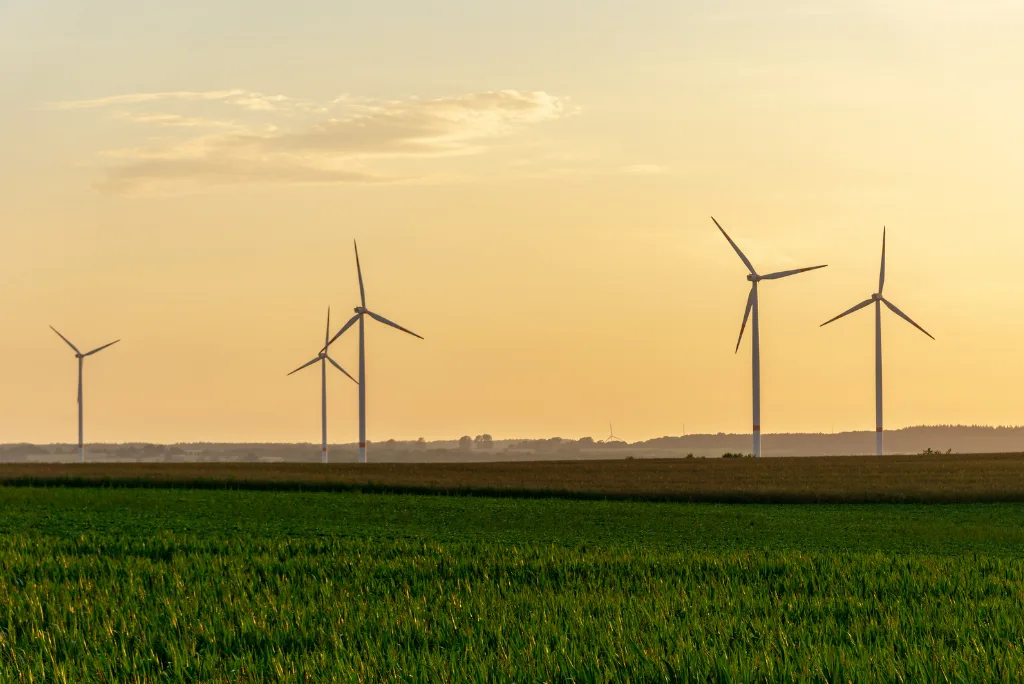
One key stat: 91% of new renewable power projects globally in 2024 were cheaper than any new fossil fuel alternative. While that is global, Africa is part of this shift. Also, the African Development Bank (AfDB) is actively funding solar, wind, hydro, green hydrogen, off-grid renewables. Recent projects: the Sokodè solar plant in Togo (~62 MW) with AfDB backing; hydroelectric work in DR Congo; transmission lines for wind energy in Mozambique.
What this really means is: renewables promise faster growth, but come with regulatory and infrastructure hurdles.
Let’s break it down side by side. If you’re exploring business opportunities in Africa, both sectors offer strong business potential, but they differ sharply in liquidity, policy dependence, and long-term returns.
What external influences matter: Africa’s climate goals (COP commitments), huge energy access gaps (over 600 million people lack electricity or reliable supply), rising urbanization (UN estimates many cities will double or more by 2050). These push renewables. But urban growth also pushes up demand for real estate (housing, offices, services), especially in fast-growing economies like Kenya, Nigeria, Ethiopia.
What this means: For those planning to invest in Africa, renewable projects may bring quicker returns (if everything aligns), while real estate offers slower, steadier growth.
Here are a few real examples and trends:
Investor sentiment: many institutional investors (multilateral, climate funds) are pushing into renewables because of alignment with ESG, global funding flows, and energy security. Real estate still attracts private wealth, diaspora money, local institutional players because people understand it, see the floor plans, can rent, see value growth. But risk appetite is shifting: where regulatory risk is acceptable and off-taker risk low, renewable energy is increasingly attractive.
So: which sector offers more stable returns now? And which aligns better with Africa’s future growth story?
What this means for different investor profiles:
Both sectors reflect Africa’s evolving growth story, for those seeking real impact, the best strategy might not be choosing one, but balancing both.
Disclaimer: This article is intended for informational purposes only and should not be taken as financial or investment advice. All statistics and examples are based on publicly available data from reputable sources including Knight Frank, MSCI, IRENA, AfDB, and IEA (2023–2025). Market conditions in Africa can vary widely by country and sector, and past performance may not indicate future results. Readers are encouraged to conduct independent research or consult a licensed financial advisor before making investment decisions.
Sources:
Knight Frank UK
IOL
Zawya+1
Africa Business Insights+1
Energy in Africa
Engineering News+1
Reuters+1
RP Realty Plus+3Knight Frank UK+3Africa Business Insights+3
Zawya+1
1. Is renewable energy investment riskier than real estate in Africa?
In most cases, yes, but it depends on how you define “risk.” Renewable energy projects in Africa often face regulatory uncertainty, off-taker issues (when utilities delay or default on payments), and infrastructure bottlenecks. The upside, though, is faster scalability and long-term alignment with global funding and ESG priorities. Real estate, on the other hand, feels steadier because assets are tangible and returns more predictable, but it carries its own risks: currency depreciation, rising construction costs, and oversupply in some markets. So, renewables are riskier in the short term, but potentially more rewarding if policy and execution align.
2. What African countries offer the highest ROI for renewable energy projects?
Right now, Morocco, Egypt, Kenya, South Africa, and Namibia stand out.
3. How stable is the real estate market in Africa compared to the renewable energy market?
Real estate is generally more stable, it moves with population growth, urbanization, and local demand, not necessarily with global funding cycles. Even during currency swings, rental income and land value often provide a cushion. Renewable energy, meanwhile, depends heavily on policy frameworks, infrastructure readiness, and long-term power purchase agreements (PPAs). If the regulatory environment is stable and financing is secured, renewables can outperform. But if those pieces falter, volatility spikes. In short: real estate gives you steady, slow growth; renewables give you faster potential, higher volatility.
4. What are the key risks investors should consider in both sectors?
For real estate, think: land title disputes, currency devaluation, construction cost inflation, and soft demand in oversupplied submarkets. For renewables, the bigger risks are regulatory delays, grid integration issues, and off-taker default. Both sectors share exposure to political instability and financing costs, especially where local currencies are weak. The smart move is to de-risk through diversification: combine stable real estate assets with renewable projects backed by reliable PPAs or multilateral funding.
5. Can foreign investors easily enter the renewable energy or real estate markets in Africa?
Entry is possible, but not uniform across the continent.

Introduction Infrastructure is Africa’s backbone, but who pays for it decides how fast it gets built, who benefits, and whether it holds up over time. Roads, power plants, ports, water systems, fiber networks, they all hinge on financing choices. Public money brings scale and social intent. Private capital brings speed and discipline. Both matter, and […]
Africa is increasingly catching serious attention from investors around the world. For many countries, growth prospects remain strong: improving economic fundamentals, demographic tailwinds, rising consumption and infrastructure gaps make for a compelling growth narrative. But, along with potential comes volatility: currency swings, shallow markets, uneven regulation. That volatility forces a choice, do you try to […]

If you’re exploring investment opportunities in Africa, bonds are usually one of the first stopovers. The continent’s growth story, shifting interest-rate cycles, and rising corporate issuances mean there’s real activity for anyone looking to invest in Africa. But here’s the thing: not all bonds play by the same rules. Government debt and corporate paper behave […]