

Walk into an investment conference in Nairobi, Lagos, or Cairo this year and the tone has shifted. Investors are no longer asking whether Africa is worth watching. They are asking which sector, which corridor, and which partner will get them in early.
Africa’s investment landscape is evolving quickly, shaped by economic reforms, technological innovation, infrastructure development, sustainability initiatives, and rapid demographic growth. Investors who once treated the continent as one undifferentiated frontier are now looking country by country to find opportunities that can compound over the long term. Here is what is driving that shift in 2026, and what still tempers investor enthusiasm.
Africa’s population is young and growing fast, and that alone changes the calculus. Urbanization builds demand for housing, transport, and electricity. Economic reform has helped too. Several governments have worked to stabilize currencies and restructure debt, rebuilding some investor confidence after a difficult stretch. The African Development Bank’s latest macroeconomic outlook shows real GDP growth accelerating in 2025 and outpacing the global average, while inflation eased from the highs recorded the year before. Faster growth alongside cooling inflation is exactly the combination long-term investors watch for.
Regional integration adds another layer. The African Continental Free Trade Area is gradually turning 54 separate markets into something closer to a single trading bloc, and digital transformation means businesses can now reach customers without the physical infrastructure earlier generations required. Together, these shifts explain why investment opportunities in Africa are drawing capital from investors who previously stayed on the sidelines.
Fintech remains the backbone of Africa’s tech story, though the picture is diversifying. Payments, lending, and digital banking still attract the largest share of venture funding, with buy-now-pay-later platforms and embedded finance drawing particular interest. Artificial intelligence is showing up in practical ways too, from credit scoring for people without formal financial histories to agricultural forecasting. Logistics and transport startups captured a growing share of early 2026 funding, a sign investors now see the plumbing behind digital commerce as just as investable as consumer apps.
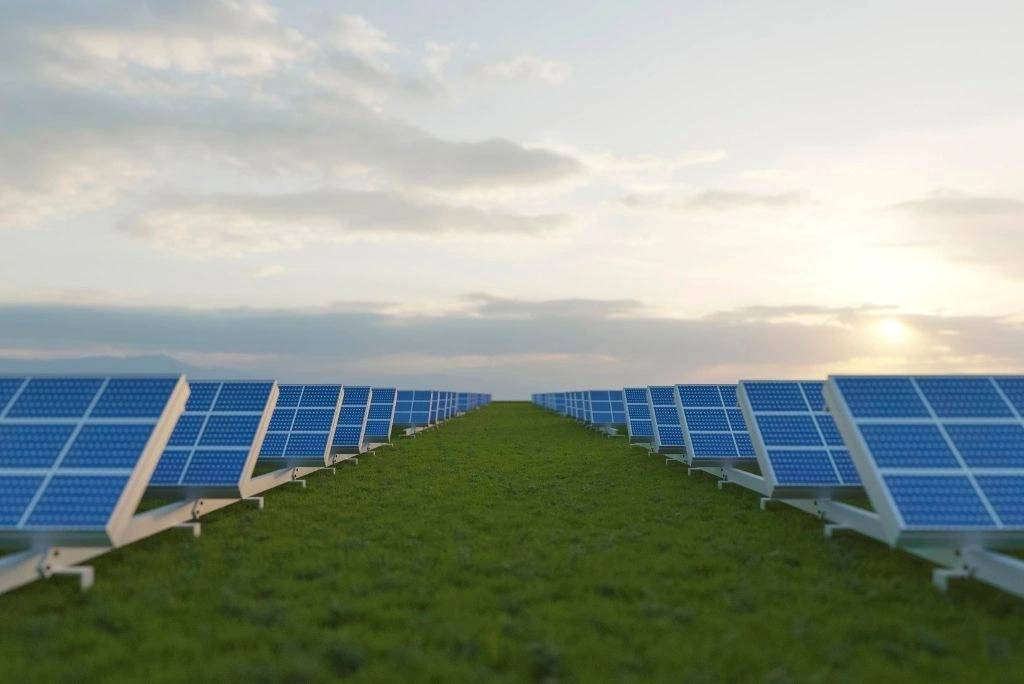
Climate change investment trends in Africa are becoming harder to ignore. Roughly 600 million people on the continent still lack reliable electricity access, and solar, wind, and hydropower offer some of the fastest paths to closing that gap. Kenya has become a notable case study, where clean-energy hardware companies have turned it into one of the continent’s most active markets for climate-linked capital. The scale needed is still sobering. The African Development Bank estimates hundreds of billions of dollars in power sector investment will be required through the decade, and Africa currently receives a small share of global renewable financing relative to its potential. Green infrastructure and climate resilience projects are increasingly bundled into blended finance structures combining public, private, and concessional capital.
Transport corridors, ports, energy grids, and telecommunications remain capital-intensive but foundational. Smart city projects are attracting sovereign wealth funds and development finance institutions looking for long-duration assets, and easing debt pressure in several economies has given governments more room to prioritize these projects rather than deferring them.
A shift toward the “real economy” is underway. Rather than exporting raw commodities and importing finished goods, more countries are building local production capacity in food processing, textiles, and light manufacturing. This supports export competitiveness and helps countries capture more value from their own resources, and the AfCFTA’s tariff reductions on manufactured goods directly incentivize this kind of investment.
Agriculture still employs a large share of Africa’s workforce yet remains underinvested relative to its economic weight. Precision farming tools and food processing facilities are attracting capital because too much food is still lost between farm and consumer, and sustainable agriculture is gaining traction as climate volatility makes traditional methods less predictable.
Healthcare infrastructure investment has picked up as governments and private players close gaps exposed by recent public health challenges. Local pharmaceutical manufacturing is a particular focus, since the continent still imports most of its medicines, and digital health platforms are drawing interest as tools to extend a limited pool of trained healthcare workers.
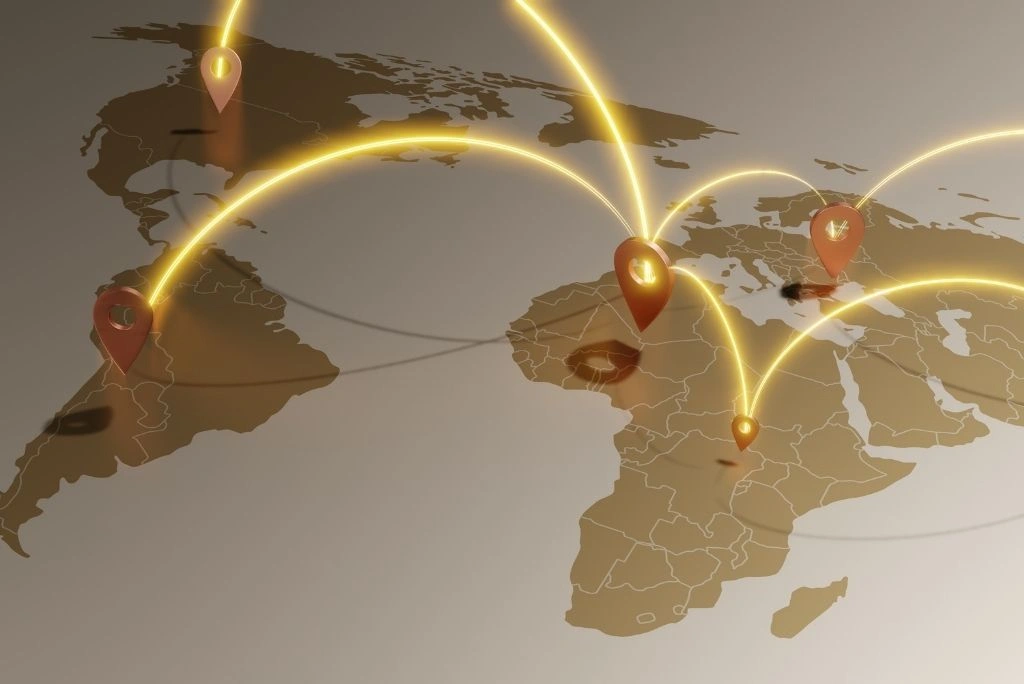
The AfCFTA continues to shape long-term investment strategy by reducing tariffs and harmonizing trade rules across the continent, lowering the cost of building regional value chains instead of relying purely on exports outside Africa. For investors, this changes the math: a company no longer needs to succeed in just one country to justify an investment. Implementation still varies widely, though, so understanding the on-the-ground pace of reform matters more than the policy on paper.
Urban development is creating demand for housing and municipal services in cities growing faster than their infrastructure. Green finance instruments, including sovereign green bonds, are expanding the capital pool for climate-aligned projects. Startup ecosystems are maturing beyond a handful of flagship cities, supported by youth entrepreneurship and growing mobile banking access, and financial inclusion continues to bring unbanked populations into the formal economy.
None of this comes without friction. Regulatory environments differ significantly from one country to the next, and infrastructure gaps, particularly in power and logistics, raise the cost of doing business in many markets. Currency volatility remains persistent, and financing costs for African projects often run notably higher than comparable projects elsewhere, partly reflecting perceived risk. Climate risks add complexity for agriculture and infrastructure investments, and political and operational risks vary widely by country. Skills development is also an ongoing challenge, since rapid growth can outpace the local talent pipeline. These challenges are not uniform; they vary by country and by sector, which is why broad, continent-wide assumptions tend to serve investors poorly.

Serious market research matters more than generic continental analysis. Local partnerships often make the difference between a stalled project and a successful one, since local partners bring regulatory knowledge that is difficult to replicate from outside. Long-term planning matters more here than in many other markets, since infrastructure projects often take years to reach full returns. ESG considerations are increasingly non-negotiable for institutional investors, and careful due diligence around land rights and supply chain reliability helps avoid costly surprises. Sector diversification within a country or region can help balance the volatility of concentrating capital in one industry.
Sustainable finance is likely to keep growing as a share of total investment, supported by green bonds and blended finance vehicles. Green industrialization is emerging as a genuine differentiator for countries trying to attract long-term capital, and AI-enabled industries are moving from pilot projects to more established deployments. Infrastructure investment will remain foundational to nearly every other trend, and innovation ecosystems are spreading beyond Lagos, Nairobi, and Cairo, with cities like Casablanca drawing increased attention. Continued regional cooperation through the AfCFTA will likely keep shaping how capital flows across borders.
| Trend | Key Sectors Affected | Long-Term Growth Potential |
| Technology and digital innovation | Fintech, e-commerce, logistics, AI applications | High, driven by mobile penetration and a young population |
| Renewable energy and sustainability | Solar, wind, hydropower, green infrastructure | High, though constrained by financing gaps |
| Infrastructure development | Transport, energy, telecommunications, smart cities | High, foundational to other sectors |
| Manufacturing and industrial growth | Local production, export goods, value-added industries | Moderate to high, supported by AfCFTA |
| Agritech and food security | Precision farming, food processing, sustainable agriculture | Moderate to high, underinvested relative to need |
| Healthcare and life sciences | Pharmaceuticals, digital health, medical technology | Moderate, growing steadily |
| Regional trade and integration | Cross-border commerce, regional value chains | High, dependent on implementation pace |
Africa’s investment landscape is becoming increasingly diverse, with long-term opportunities emerging across technology, sustainability, infrastructure, manufacturing, and regional trade. The continent is no longer a single story about resource extraction or aid dependency. It is fifty-four markets moving at different speeds, shaped by different policies, offering different risk and reward profiles. Investors who want to invest in Africa and succeed over the long run will need more than optimism about demographic trends. They will need informed research, patience, and a genuine understanding of local market dynamics, country by country, sector by sector.
Disclaimer
This article is provided for informational purposes only and should not be interpreted as financial, legal, or investment advice. Economic conditions, government policies, investment environments, and market trends vary across African countries and may change over time. Readers should conduct independent research and seek professional financial or investment advice before making investment decisions.
The most significant trends include growth in technology and digital innovation, particularly fintech and e-commerce, alongside expanding renewable energy investment, infrastructure development in transport and energy, a push toward local manufacturing, growth in agritech and food security, and continued momentum in healthcare and life sciences. Regional trade integration through the AfCFTA is tying many of these trends together.
Technology, particularly fintech, logistics, and digital infrastructure, continues to draw significant capital, though investors are increasingly diversifying beyond fintech alone. Renewable energy, especially solar and clean-energy hardware, is attracting growing interest given the continent’s electricity access gap. Infrastructure, healthcare, manufacturing, and agriculture round out the sectors seeing the most sustained attention.
Digital transformation is lowering the cost of reaching customers and managing operations, making previously unviable business models feasible. On the sustainability side, climate resilience and renewable energy are shifting from compliance obligations to genuine investment opportunities, particularly as solar and wind costs continue to fall and blended finance structures make projects more bankable.
Startup ecosystems are maturing and spreading beyond the traditional hubs of Lagos, Nairobi, and Cairo. Green finance instruments are expanding the capital pool for climate-aligned projects. Infrastructure investment tied to urban growth continues to create opportunities, and regional trade integration is opening up cross-border business models that were not practical a decade ago.
Preparation starts with country-specific market research rather than broad continental assumptions. Local partnerships help navigate regulatory and operational realities that are difficult to understand from outside. Long-term planning is essential given how long infrastructure projects typically take to mature, and ESG considerations, thorough due diligence, and diversification across sectors and countries all help manage the risks of investing in fast-changing markets.

Walk through an industrial park outside Nairobi and then spend an afternoon in a fintech office in Lagos, and you get two very different pictures of where Africa’s growth is coming from. One is stacked with pallets, packaging lines, and freight schedules. The other runs on laptops, cloud servers, and mobile transaction data. Both are […]

Africa’s investment story looks different in 2026 than it did five years ago. Growth is broader, capital is more selective, and the countries drawing serious long-term attention are the ones backing up their pitch with actual policy reform rather than promises. The continent’s real GDP growth accelerated to 4.2% in 2025, up from 3.1% the […]
Walk through Kigali’s business district or Lagos’s tech corridor and you notice something that doesn’t quite match the old headlines about the continent. Cranes are up. Fibre cables are going into the ground. Young founders are pitching payment platforms to investors who, a few years ago, barely knew where to find these markets on a […]