
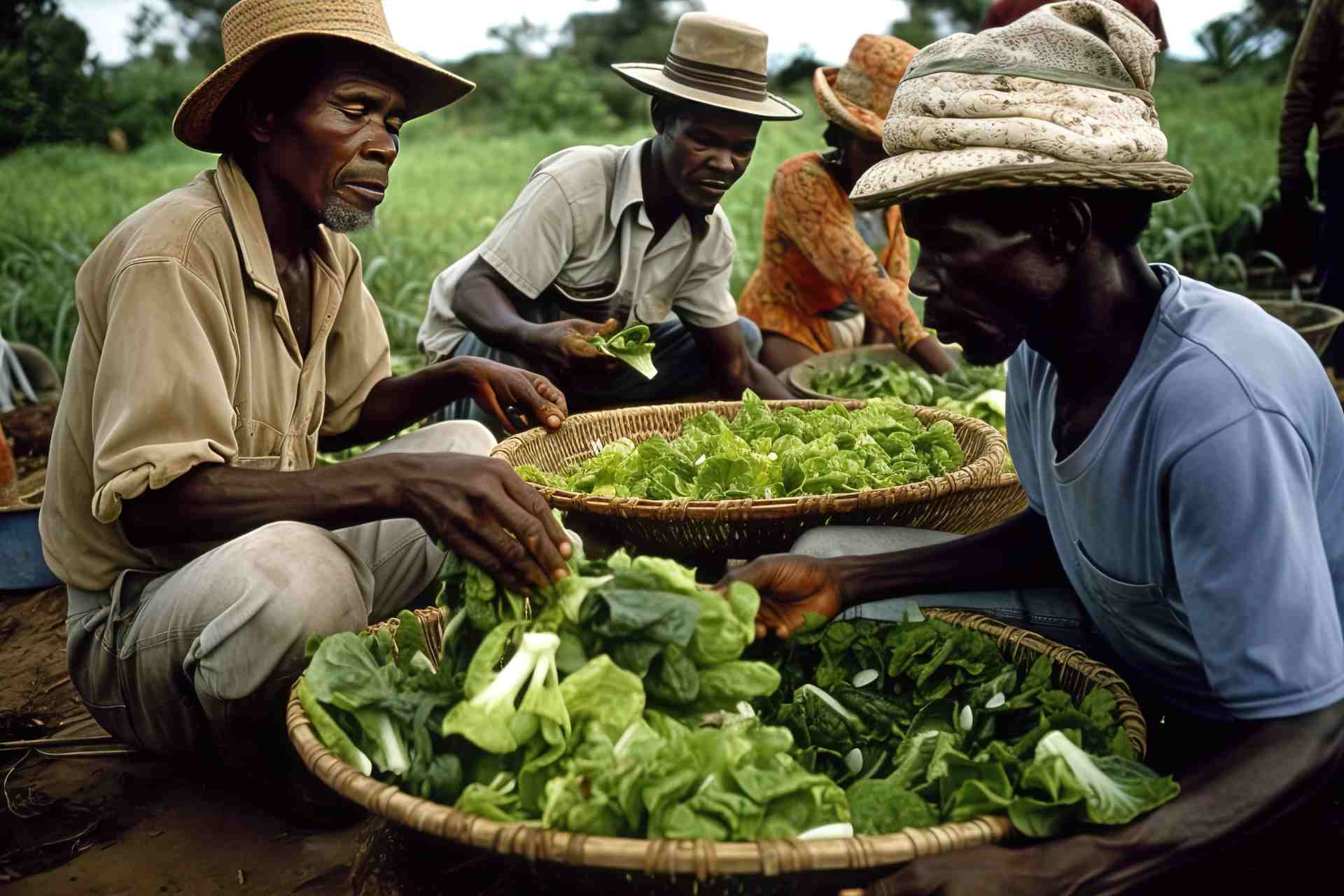
Africa’s development relies heavily on agribusiness and food security, as a significant portion of the population relies on agriculture for their livelihoods. A robust agribusiness sector is crucial for employment, income generation, and rural poverty reduction. Africa faces vulnerabilities due to climate change, limited market access, inadequate infrastructure, and socio-economic disparities. Addressing these challenges is morally and financially vital for Africa’s development. Improved food security leads to better health outcomes, productivity, and economic growth. Agricultural investment in Africa holds promise by leveraging digital technologies and sustainable practices.
Agribusiness encompasses all agricultural activities, from cultivation to consumption, and emphasizes business aspects like marketing and distribution. It aims to ensure productive, economically viable, and environmentally sustainable operations. By integrating production and distribution stages, agribusiness maximizes efficiency, reduces costs, and enhances profitability. This contributes to the overall growth and development of the agricultural sector and the economy.
Agribusiness is a crucial part of Africa’s economic growth, particularly in rural areas where agriculture is a primary livelihood. It involves farming, processing, distribution, and marketing, creating employment opportunities and reducing unemployment. Agribusiness also enhances agricultural products’ market value, ensuring food security and promoting financial diversification. This approach sustains agricultural growth and lays the groundwork for broader economic development. Therefore, agricultural investment in Africa is a strategic imperative, allowing stakeholders to capitalize on Africa’s agricultural potential, drive sustainable growth, and address socio-economic challenges.
Agribusiness is a crucial part of Africa’s economic growth, particularly in rural areas where agriculture is a primary livelihood. It involves farming, processing, distribution, and marketing, creating employment opportunities and reducing unemployment. Agribusiness also enhances agricultural products’ market value, ensuring food security and promoting economic diversification. This approach sustains agricultural growth and lays the groundwork for broader economic development. Therefore, agribusiness investment in Africa is a strategic imperative, allowing stakeholders to capitalize on Africa’s agricultural potential, drive sustainable growth, and address socio-economic challenges.
Climate change in Africa poses significant challenges to agriculture, including erratic rainfall, droughts, floods, and temperature extremes. These factors can lead to crop failures, reduced yields, and increased food insecurity vulnerability. Inadequate infrastructure, such as roads and transportation networks, also hinders the efficient movement of agricultural products. This results in post-harvest losses, increased food prices, and limited access to nutritious food. Limited market access, particularly for smallholder farmers, further exacerbates these issues.
Africa’s food security crisis requires strategic investments in infrastructure development, climate-smart agriculture, agribusiness innovation, and value-added processing. It presents significant agricultural investment opportunities in Africa, especially in addressing climate change challenges. Infrastructure projects like roads and cold chain logistics improve farmers’ market access, reduce losses, and stimulate economic growth. Climate-smart agriculture technologies like drought-resistant crops and precision irrigation systems help farmers adapt to climate change. Agribusiness innovation improves market access, promotes transparency, and reduces transaction costs. Value-added agribusinesses increase shelf life, contribute to food security, and create employment opportunities.
With modern farming techniques, technologies, and management practices, agricultural agribusiness is a promising solution to food security that offers great business opportunities in Africa. It optimizes crop yields, improves livestock management, and reduces post-harvest losses, contributing to a more efficient food production system. Agribusiness facilitates better market access for farmers by establishing efficient distribution channels and linkages. It adds value to agricultural products through processing, packaging, and branding, stimulating economic growth and promoting food security by reducing food waste. Agribusiness also generates employment opportunities, particularly for youth and women, contributing to poverty reduction, economic empowerment, and social stability. Successful agribusiness ventures in Africa include farmer cooperatives, agro-processing companies, and agri-tech startups.
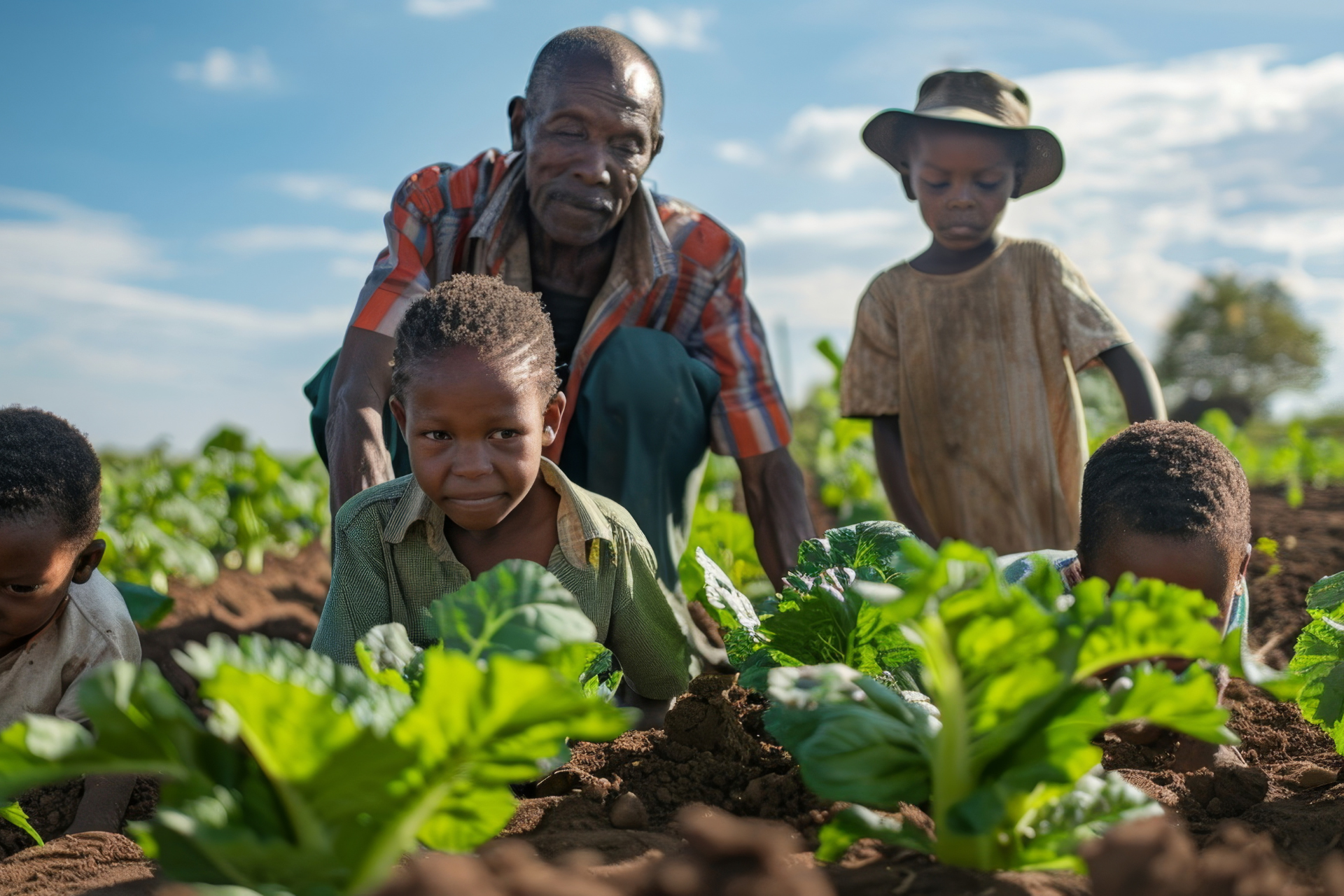
Africa presents significant opportunities for agribusiness due to its abundant natural resources, growing population, and increasing demand for food and agricultural products. Key sectors include value-added processing industries like food processing, milling, and packaging, which enhance agricultural products’ market value. Export-oriented agriculture can tap into international markets and generate foreign exchange earnings. Agri-tech innovation, such as precision agriculture, remote sensing, e-commerce platforms, and mobile applications, can improve productivity and market access. Governments can attract investment through policy reforms, investment incentives, infrastructure development, and fiscal incentives. Agriculture investment in Africa is crucial for economic development, employment, income generation, and food security.
Technology is revolutionizing agribusiness and improving food security by enhancing productivity, efficiency, and sustainability. Precision agriculture uses technologies like GPS, drones, and sensors to optimize inputs, monitor crop health, and manage farm resources. Digital platforms facilitate transparent transactions and provide real-time market data. The Internet of Things (IoT) connects physical devices and sensors, enabling real-time data collection, analysis, and decision-making in agriculture. AI-powered technologies like machine learning and predictive analytics provide insights and recommendations. Technological innovations in Africa, like Farmcrowdy and Twiga Foods, enable farmers to sell produce profitably, access resources efficiently, and optimize resource use. Agricultural investment in Africa should prioritize technology-driven solutions to address food security challenges.
In conclusion, the relationship between agribusiness and food security in Africa is crucial for economic growth, job creation, and market access for farmers. Food security ensures access to safe, nutritious, and affordable food for all. Investing in agribusiness can strengthen food systems, improve livelihoods, and promote sustainable development. Stakeholders must seize opportunities in Africa’s agricultural sector, including value-added processing, export-oriented agriculture, and agri-tech innovation. By harnessing technology, innovation, and entrepreneurship, Africa can unlock its agricultural potential and create a brighter future. It is encouraged that all stakeholders, including governments, investors, entrepreneurs, and development partners, prioritize investing in Africa’s agribusiness sector. This will drive economic prosperity, reduce poverty, and ensure food security for future generations.
1. What is agribusiness and why is it important for Africa’s development?
Agricultural business, which includes production, processing, distribution, and marketing, boosts productivity, creates jobs, and stimulates economic growth in Africa.
2. What are the key challenges to achieving food security in Africa?
Key challenges include climate change, inadequate infrastructure, limited market access, land degradation, and political instability.
3. How does agribusiness contribute to food security in Africa?
Agricultural businesses improve production efficiency, reduce post-harvest losses, establish efficient distribution channels, and add value to agricultural products.
4. What are the main opportunities for agribusiness in Africa?
Opportunities include investing in modern farming techniques, agro-processing, establishing market linkages, promoting agricultural innovation, and leveraging food demand.
5. What role can technology play in enhancing agribusiness and food security in Africa?
Precision agriculture, mobile apps, efficient supply chain management, and financial services can all be enhanced by technology, enhancing agribusiness performance and food security.

Walk through an industrial park outside Nairobi and then spend an afternoon in a fintech office in Lagos, and you get two very different pictures of where Africa’s growth is coming from. One is stacked with pallets, packaging lines, and freight schedules. The other runs on laptops, cloud servers, and mobile transaction data. Both are […]

Walk into an investment conference in Nairobi, Lagos, or Cairo this year and the tone has shifted. Investors are no longer asking whether Africa is worth watching. They are asking which sector, which corridor, and which partner will get them in early. Africa’s investment landscape is evolving quickly, shaped by economic reforms, technological innovation, infrastructure […]

Africa’s investment story looks different in 2026 than it did five years ago. Growth is broader, capital is more selective, and the countries drawing serious long-term attention are the ones backing up their pitch with actual policy reform rather than promises. The continent’s real GDP growth accelerated to 4.2% in 2025, up from 3.1% the […]