
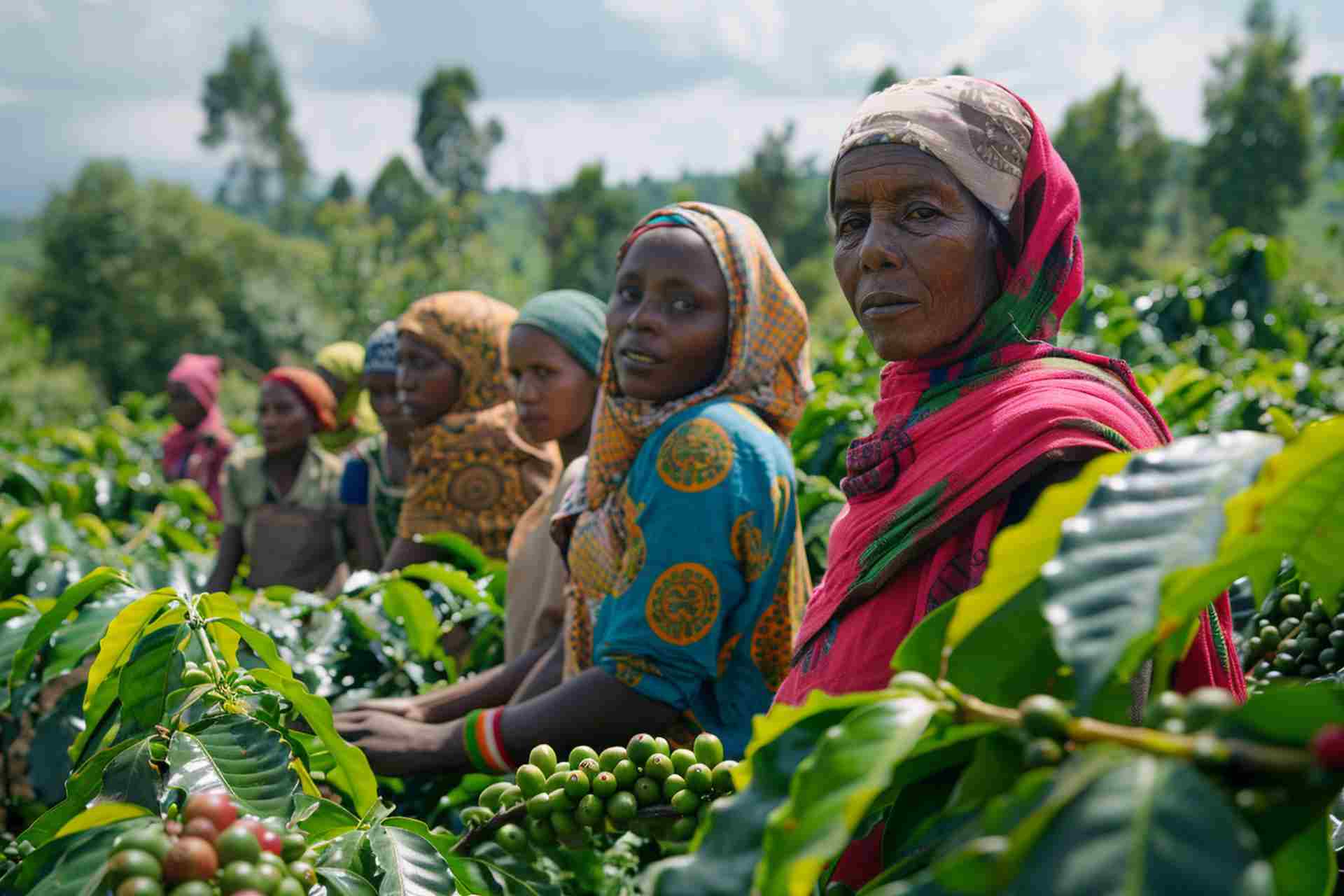
Africa, a continent often associated with challenges, is undergoing a remarkable transformation. With a growing population and increasing urbanization, the demand for food is soaring. However, the continent also possesses immense agricultural potential, waiting to be unlocked. As the global food landscape evolves, Africa presents a unique opportunity for investors looking for investment opportunities in Africa and contribute to its sustainable food production initiative.
Africa’s agricultural sector is experiencing a renaissance. Technological advancements, coupled with favorable climate conditions and abundant land resources, are creating a fertile ground for favorable business opportunities in Africa. The continent is home to diverse agricultural ecosystems, ranging from arable plains to coastal regions and mountainous terrains, offering a wide range of agricultural commodities. From staple crops like maize and sorghum to high-value products like coffee, cocoa, and fruits, Africa’s agricultural diversity is a testament to its potential.

Several key trends are driving the future of food security in Africa:
Africa’s population is rapidly expanding, leading to increased demand for food. As more people move to cities, there is a growing need for efficient food supply chains and diversified diets.
Climate change poses significant challenges to agriculture in Africa, including droughts, floods, and pest infestations. However, the continent is also developing innovative adaptation strategies, such as climate-smart agriculture and resilient crop varieties.
Modern technologies like precision agriculture, biotechnology, and mobile applications are revolutionizing African agriculture. These tools enable farmers to optimize resource use, improve yields, and reduce waste.
Africa is increasingly integrating into the global food market. Investments in agricultural infrastructure, processing facilities, and cold storage are essential to enhance the continent’s competitiveness and export potential.
Investors can play a crucial role in shaping Africa’s food security landscape. Here are some promising investment opportunities if you are looking to invest in Africa.
Investing in irrigation systems, storage facilities, and transportation networks can significantly improve agricultural productivity and reduce post-harvest losses.
Agribusiness Development: Supporting agribusiness ventures, including food processing, packaging, and distribution, can create value-added jobs and enhance local food systems.
Supporting agribusiness ventures, including food processing, packaging, and distribution, can create value-added jobs and enhance local food systems.
Investing in sustainable farming techniques, such as organic agriculture and agroforestry, can promote environmental conservation and long-term food security.
Supporting research and development in food technology can lead to breakthroughs in areas like crop breeding, food preservation, and alternative protein sources.
Africa’s future is bright, and the continent’s agricultural sector offers immense potential for investors. By supporting sustainable food security initiatives, investors can contribute to the well-being of millions of people while generating attractive returns. As the global food landscape evolves, Africa is poised to become a major player. It’s an exciting time to be involved in this dynamic and growing sector.
1. What will happen to the food supply in the future?
In the future, the global food supply will face increasing pressure due to population growth, climate change, and resource scarcity. However, with advancements in technology and sustainable farming practices, it’s possible to ensure food security for future generations.
2. How can investors capitalize on emerging food security opportunities?
Investors can capitalize on emerging food security opportunities by investing in sustainable agriculture, agribusiness, food technology, and infrastructure development.
3. What role does technology play in the future of food security?
Technology plays a crucial role in the future of food security. Advancements in areas like precision agriculture, biotechnology, and food processing can improve yields, reduce waste, and enhance food safety.
4. How will the food industry change in the future?
The food industry will undergo significant changes in the future. There will be a shift towards more sustainable and ethical practices, with a focus on plant-based alternatives, personalized nutrition, and reduced food waste.
5. What are the latest trends in the food industry?
Some of the latest trends in the food industry include plant-based proteins, personalized nutrition, clean label products, sustainable sourcing, and food delivery services.

Walk into an investment conference in Nairobi, Lagos, or Cairo this year and the tone has shifted. Investors are no longer asking whether Africa is worth watching. They are asking which sector, which corridor, and which partner will get them in early. Africa’s investment landscape is evolving quickly, shaped by economic reforms, technological innovation, infrastructure […]

Africa’s investment story looks different in 2026 than it did five years ago. Growth is broader, capital is more selective, and the countries drawing serious long-term attention are the ones backing up their pitch with actual policy reform rather than promises. The continent’s real GDP growth accelerated to 4.2% in 2025, up from 3.1% the […]
Walk through Kigali’s business district or Lagos’s tech corridor and you notice something that doesn’t quite match the old headlines about the continent. Cranes are up. Fibre cables are going into the ground. Young founders are pitching payment platforms to investors who, a few years ago, barely knew where to find these markets on a […]