
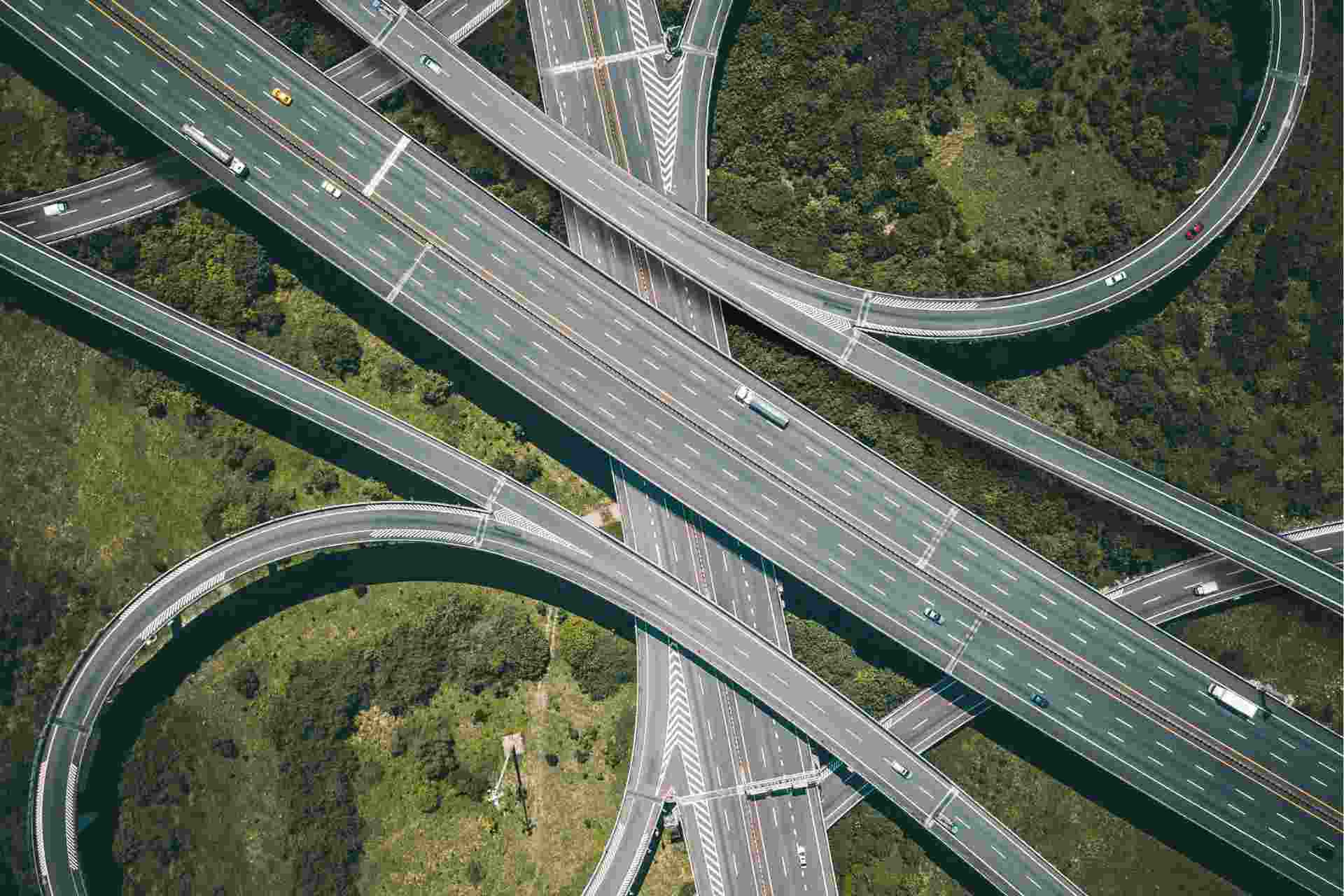
Infrastructure isn’t flashy, but it’s the backbone of real transformation and help to boost the investment opportunities in Africa. And a handful of African nations are making headlines with rapid progress across transport, energy, digital networks, and urban infrastructure. Based on the Africa Infrastructure Development Index (AIDI) 2024, here’s a sharper, more competitive story.
Other notable names include Algeria (61.65%), Cabo Verde (51.51%), and Botswana (42.13%) rounding out the top ten.



| Country | AIDI Score 2024 | Highlights | Why It Matters for Investors |
| Seychelles | 99.77% | Digital access, water, energy | Model for small-market infrastructure excellence |
| Egypt | 91.43% | Green hydrogen, transport modernization | Infrastructure anchoring business expansion |
| Libya | 85.84% | Post-conflict growth, port systems | Undervalued opportunity in energy and logistics |
| South Africa | 82.54% | Rail, roads, energy projects | Largest economy with strong infrastructure backbone |
| Mauritius | 82.77% | Fintech, telecom, sanitation | Near‑universal broadband, expanding fintech ecosystem, and smart sanitation systems driving its role as a financial and technology services hub. |
| Tunisia | 74.18% | Urban, energy, digital improvements | Gateway to North African infrastructure corridors |
| Morocco | 70.32% | Solar, ports, high-speed rail | Investment gateway between Europe and Africa |
If you’re thinking “investment opportunities in Africa” or “business opportunities in Africa”, then infrastructure leaders are where to look. These countries are delivering measurable progress through landmark projects like Morocco’s Tangier‑Med port and Noor solar complex, Egypt’s green hydrogen zone in the Suez Canal Economic Zone, and Seychelles’ nationwide renewable energy and water access programs.
What this really means is: you get to align with markets transforming into efficient, digital-ready economies. Whether you’re in renewable energy, logistics, fintech, or urban development, infrastructure growth is the anchor.
Disclaimer:
The information in this article is based on publicly available reports, including the African Development Bank’s Africa Infrastructure Development Index (AIDI) 2024, government press releases, and reputable industry publications. Project costs, timelines, and investment figures are subject to change as developments progress. Readers are advised to verify details with official sources before making any investment or business decisions. This content is intended for informational purposes only and does not constitute financial, investment, or legal advice.
Sources:
African Leadership Magazine+1Intelpoint+2African Leadership Magazine+2
ntelpoint+3African Leadership Magazine+3radicalleap.com+3Wikipedia
Intelpoint+1
radicalleap.com+1
Intelpoint+3Intelpoint+3radicalleap.com+3
radicalleap.com+1
African Leadership Magazineafricafc.org
africafc.org
apnews.com
Intelpoint
The Guardian
WikipediaAfrican Leadership Magazine
capital.fio.groupinonafrica.com
reuters.com
The Guardian+1
1. What are the top infrastructure projects in Africa right now?
Some of the headline projects shaping the continent include Morocco’s Tangier‑Med port expansion, Egypt’s $40 billion green hydrogen program in the Suez Canal Economic Zone, the Tanzania–Burundi Standard Gauge Railway, Kenya’s Konza Technopolis smart city, and South Africa’s renewable energy pipeline. These aren’t just big numbers on paper—they’re transforming logistics, energy, and digital access at scale.
2. Which country has the best infrastructure development?
According to the Africa Infrastructure Development Index (AIDI) 2024, Seychelles tops the list with a score of 99.77%. For a small island nation, it’s an outlier, delivering near‑universal digital access, reliable energy, and strong transport links.
3. Which country has the most advanced technology in Africa?
Mauritius consistently ranks high for technology adoption, from fintech ecosystems to broadband connectivity. Kenya is another standout, with its mobile payments dominance and growing smart‑city projects like Konza Technopolis. Both countries have made tech a cornerstone of national development.
4. Which African country has the best road and transport infrastructure?
South Africa leads in large‑scale road and rail networks, backed by ongoing upgrades to freight corridors and urban transport. Morocco is also making headlines with its high‑speed rail (Al Boraq) and modern port systems, linking North Africa to European trade hubs.
5. What role does the African Union play in infrastructure progress?
The African Union drives continental frameworks like the Programme for Infrastructure Development in Africa (PIDA), aligning cross‑border transport, energy, and digital projects. It also supports the African Continental Free Trade Area (AfCFTA), which makes regional infrastructure more attractive to investors by improving market integration and reducing trade barriers.

Walk through an industrial park outside Nairobi and then spend an afternoon in a fintech office in Lagos, and you get two very different pictures of where Africa’s growth is coming from. One is stacked with pallets, packaging lines, and freight schedules. The other runs on laptops, cloud servers, and mobile transaction data. Both are […]

Walk into an investment conference in Nairobi, Lagos, or Cairo this year and the tone has shifted. Investors are no longer asking whether Africa is worth watching. They are asking which sector, which corridor, and which partner will get them in early. Africa’s investment landscape is evolving quickly, shaped by economic reforms, technological innovation, infrastructure […]
Africa’s investment story looks different in 2026 than it did five years ago. Growth is broader, capital is more selective, and the countries drawing serious long-term attention are the ones backing up their pitch with actual policy reform rather than promises. The continent’s real GDP growth accelerated to 4.2% in 2025, up from 3.1% the […]